Blue Heeler Care Guide: Raising an Australian Cattle Dog Through Every Life Stage
Blue Heelers are built for decades of work, so the care decisions that matter most are the ones you make before age two, not after.
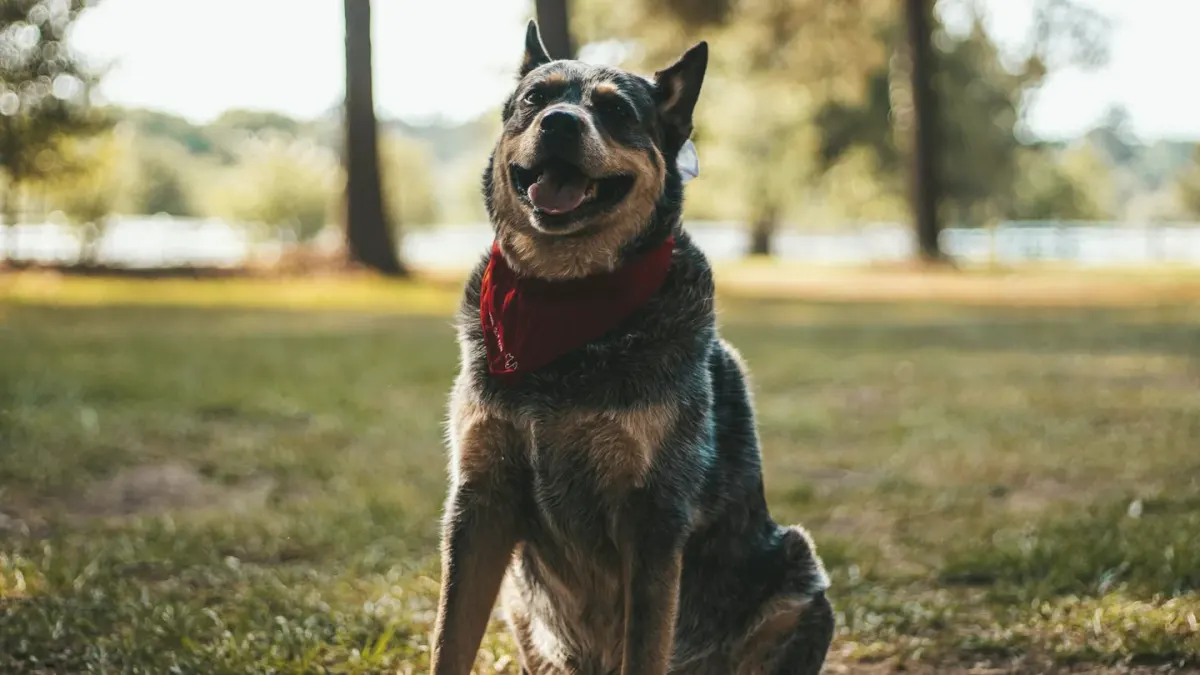
On this page
A ten-week-old blue heeler puppy named Ranger came into my exam room a few years ago, all ears and feet, already trying to herd the exam room stool. His owners had done their reading and asked good questions, but the one that stuck with me was simple: what do we actually need to get right in year one? I told them the truth. With this breed, the early decisions about exercise structure, joint screening, and hearing status carry weight for the next thirteen to fifteen years. Get the foundation right early, and you’re managing a durable, biddable working dog. Get it wrong, and you’re managing a bored, anxious one with a body that wasn’t screened for what it was bred to do.
That’s the frame I want to give you here: care organized by life stage, because a heeler at four months, four years, and twelve years needs genuinely different things from you.
Puppyhood: building the nervous system before the muscle
The single biggest mistake I see with heeler puppies isn’t diet — it’s exercise timing and socialization sequencing. This breed was developed to work cattle over long distances with intense focus, and that drive shows up by twelve weeks of age. The instinct is right on schedule. The skeleton is not. Growth plates in a dog this size typically don’t close until somewhere around ten to fourteen months, and hard, repetitive, high-impact exercise before that point — jogging on pavement, jumping off furniture, disc catching — is where I see early joint strain start.
Structured socialization matters just as much. The AKC describes the breed as protective of home and family, wary of strangers, and independent enough to control a herd without direction — traits that read as watchfulness in a well-socialized adult and as reactivity in an under-socialized one. I tell owners to front-load exposure to novel people, surfaces, and sounds between eight and sixteen weeks. It’s a short window, and it does a lot of the temperament work for you later.
Ask your breeder for BAER hearing test results on the litter before you commit. Deafness in this breed is inherited and tied to the same piebald genetics that produce the coat pattern people love; a BAER test is the only way to confirm hearing status in a puppy that otherwise looks and behaves normally.
Adolescence: the energy budget conversation
Somewhere around six to eighteen months, most heeler owners hit a wall. The dog that was manageable at four months is now nipping at heels, shredding furniture, or barking at everything that moves. This isn’t a training failure so much as an energy mismatch. The AKC is direct about this: the breed needs substantial daily exercise and mental work, and without it, boredom turns into behavior problems fast.
I don’t prescribe a generic walk schedule here, because it doesn’t work for this breed. What works is a mix: sustained aerobic output (a real run, a long hike, structured fetch), plus a job — nose work, agility foundations, herding instinct classes if you have access, or even structured obedience drilling. A tired heeler body without a used heeler brain is still a heeler that’s going to find its own job, and you usually won’t like the one it picks.
This is also the window to start orthopedic screening conversations with your vet, particularly if you’re breeding or doing high-impact sport work. Hip dysplasia isn’t rare in this breed. Radiographic studies have found notably elevated dysplastic rates in Australian Cattle Dog populations, and OFA recommends hip radiographs, typically after two years of age once growth plates are fully closed, to screen breeding stock and establish a baseline even in pets.
I’ve watched this play out with a client’s dog, a lean thirty-eight-pound male named Duke who came in at fourteen months for a limp after a weekend of frisbee at a dog park. Nothing was broken, but the film showed early laxity in one hip. His owners hadn’t done anything wrong; they just hadn’t known dysplasia risk in this breed runs higher than most people assume, and that impact sports before two years compound it. We restructured his exercise toward swimming and controlled leash work for several months, and it changed how they thought about “tired” for the rest of his life — tired didn’t have to mean joint-pounding.
Adulthood: what actually needs monitoring
A healthy adult blue heeler, roughly two to eight years old, is generally low-maintenance from a medical standpoint if the early screening was done. What I watch for at annual exams:
- Vision changes, especially night vision. Progressive retinal atrophy shows up in this breed, and OFA offers a DNA test for the RCD4 mutation specifically implicated in Australian Cattle Dog PRA. Dogs with two normal copies of the gene won’t develop the disease from that mutation, which makes this one of the more useful pieces of information you can get on a young dog.
- Weight and body condition. This breed hides fat well under a dense double coat, and excess weight compounds joint strain in a dog already carrying dysplasia risk.
- Coat and skin. The undercoat sheds heavily twice a year; a change in shedding pattern, texture, or skin condition outside that cycle is worth a look.
Diet doesn’t need to be complicated for a healthy adult heeler. A working or working-adjacent activity level calls for a diet formulated for that energy output, but I’d rather see an owner get exercise structure right than chase a boutique food. Talk to your vet about body condition scoring at each visit rather than trusting a bag’s feeding chart alone.
The senior years: where the early work pays off
By ten to twelve years, most heelers are still remarkably active for their size and age — this is a breed with genuine longevity. The AKC lists a typical lifespan of 12 to 16 years, and the breed holds the record for the oldest verified dog ever documented, an Australian Cattle Dog that lived nearly 30 years on a working cattle station. That’s an outlier, not an expectation, but it says something about the breed’s baseline durability when joints and weight are managed well from the start.
What changes in the senior years is what I’m listening for at exams: hesitation on stairs, slower rises after rest, reluctance to jump into the car, and any new head-tilt or disorientation that could point to vestibular disease rather than simple aging. Hearing loss related to aging is also worth tracking separately from any inherited deafness — a senior heeler that stops responding to verbal cues but still watches your hands closely is often losing hearing, not attention.
I still recommend a version of the daily walk-and-job routine into the senior years, just recalibrated. Shorter, more frequent outings replace the long run. Puzzle feeders and low-impact scent work replace agility. The goal isn’t to stop the engagement this breed needs — it’s to keep giving it, at a pace the joints can sustain.
If you’re weighing a heeler against another herding breed for temperament or health tradeoffs, it’s worth reading how they compare to a close cousin in our piece on Border Collie vs Australian Shepherd, or, if your household runs on a tighter schedule, our breakdown of low-maintenance breeds for busy people is a useful reality check before you commit to this one.
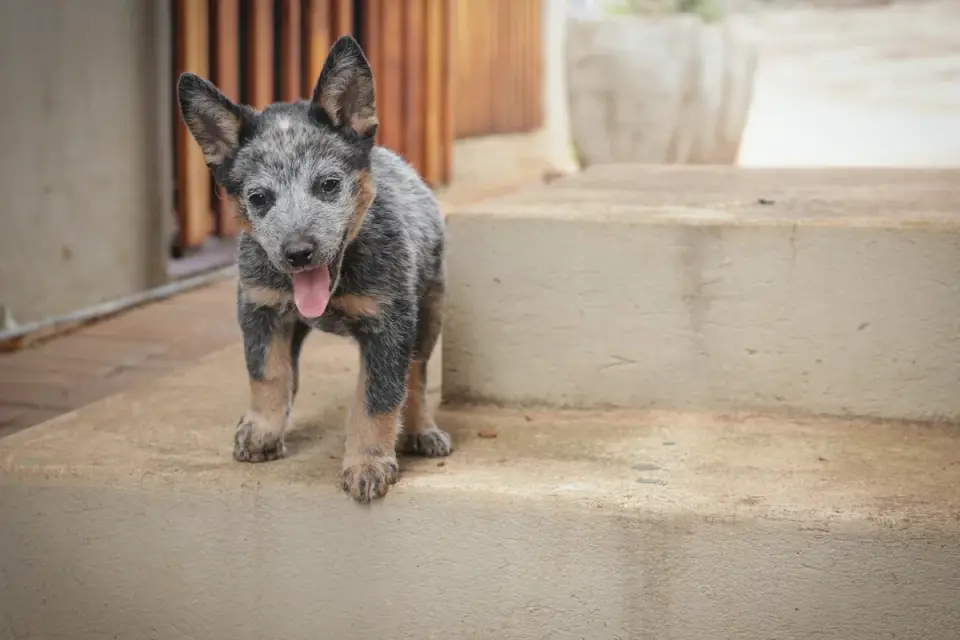
So what would I tell you if you asked me directly, the way Ranger’s owners did? Don’t buy a heeler for the coat pattern or the loyalty stories and figure out the exercise math later. Get BAER and hip screening information before you commit, structure the first two years around low-impact conditioning rather than high-impact sport, and build a daily job into the dog’s life the way you’d build one into a working employee’s. Do that, and you’re looking at over a decade of one of the most capable, durable companion breeds out there. What would change your mind about taking one on?
Frequently asked questions
How much exercise does a Blue Heeler actually need per day?
Plan on substantial daily activity — a real aerobic outing plus mental work, not just a walk around the block. The AKC notes this breed needs significant daily exercise and mental stimulation, and without it, boredom tends to become behavior problems.
At what age should I get hip x-rays on my Blue Heeler?
OFA generally recommends hip radiographs after two years of age, once growth plates are fully closed, especially for dogs used for breeding or high-impact sport work.
Are all Blue Heelers deaf or prone to deafness?
Not all, but hereditary deafness does occur in the breed and is linked to the piebald coat genetics. A BAER test performed by a veterinarian is the only definitive way to confirm a puppy's hearing status.