Oct 19, 2026
7 Reasons Your Senior Dog Becomes Clingier With Age
A veterinarian explains why older dogs follow, whine, and cling more, plus when to call your vet.

Healthy-aging science for dogs — NAD+, joints, and honest labels, made readable for devoted owners.
14 guides in this section.
A veterinarian explains why older dogs follow, whine, and cling more, plus when to call your vet.
A preventive, training-first plan to keep dogs calm when guests come over, plus honest evidence on calming ingredients.
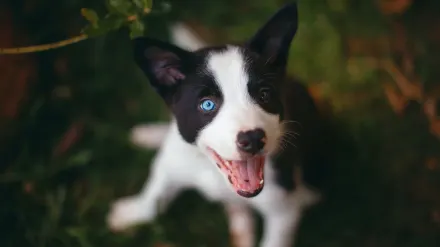
A preventive, low-stress handling routine for dogs that snap — what triggers the bite, how to lower baseline arousal, and where calming ingredients fit.
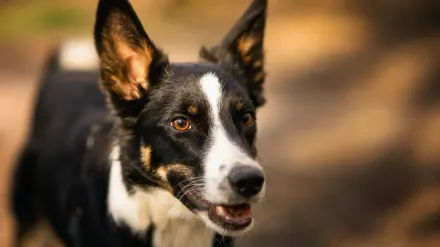
A preventive behavior guide to doorbell barking: why it happens, the mat-based plan that works, and what to expect week by week.

Why dogs fence fight and a vet-guided plan to stop it with management, training, and realistic expectations.

Why grabbing keys or shoes triggers anxiety in dogs, and a step-by-step desensitization plan to unpair departure cues and support calmer alone time.
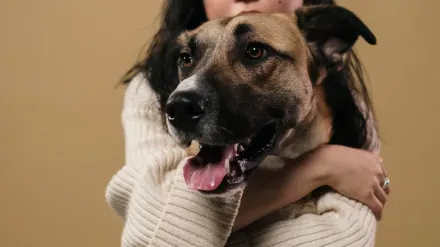
A veterinarian explains FRAPs — why dogs sprint, spin, and slide after baths, poops, and crates — plus when to call your vet.
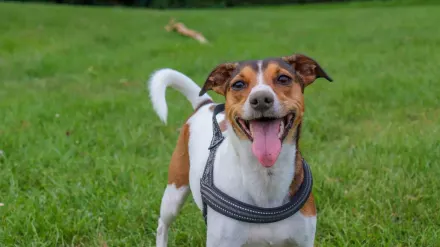
A veterinarian explains why dogs jump on guests, how to teach a calm greeting, and when jumping signals stress or a vet visit.

Raised hackles signal arousal, not aggression alone. Learn how to read location, context, and what to do next.

A vet's guide to telling real dog play from a real fight — what the pauses, the mouths, and the role reversal actually mean, and what to do if you're not sure.
Reactive and aggressive get used like synonyms in the vet clinic and the dog park alike. Here's the clinical distinction that should actually decide your training plan.
A vet's field guide to matching your dog's problem — obedience gaps, fear, or a medical behavior change — to the right professional, with the credentials that actually mean something.
A vet's evidence-based guide to stopping puppy biting and mouthing, focused on bite inhibition, arousal management, and realistic timelines.
A vet-reviewed look at why your dog growls when you pet him — pain, fear, and overstimulation — plus how to read the warning signs and respond safely.