On this page
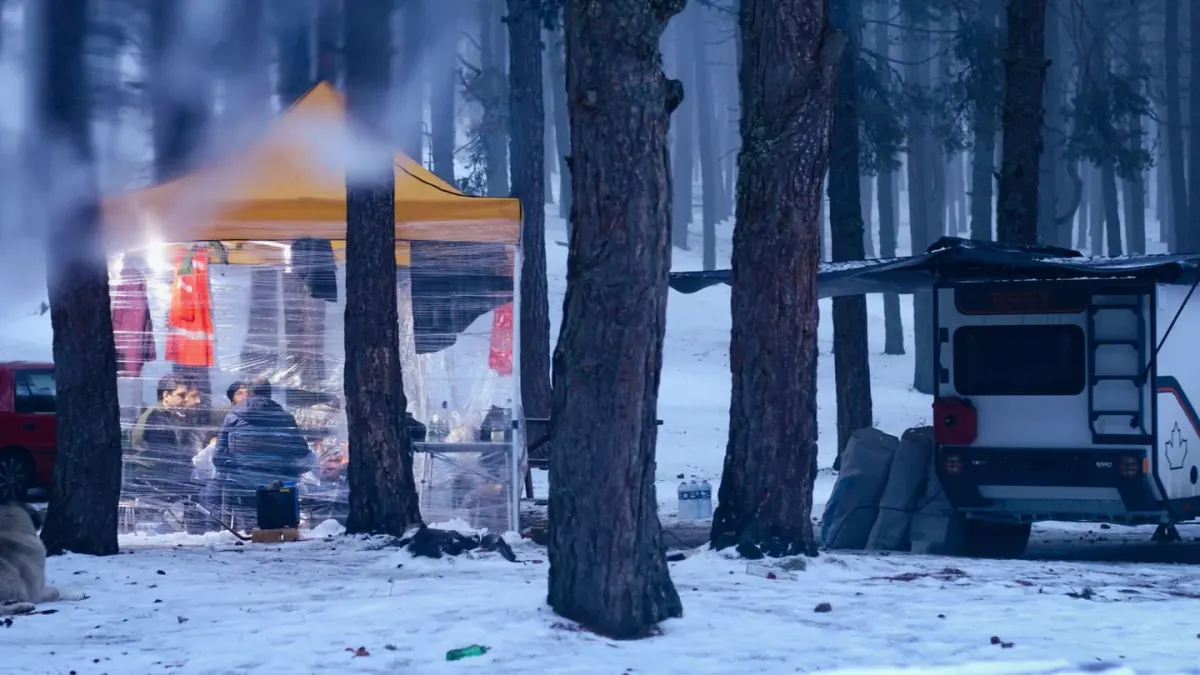
Friday light is going flat over the dunes and a 9-year-old Labrador mix is already breathing a little faster than you expected. You parked at 4 p.m., air still warm off the sand, and she drank almost a quart of water during the two-hour drive without settling. Her owner watches her circle the tent pad, sniff, pant, sniff again, and wonders whether this weekend will support her aging joints or quietly wear her down. That question is the whole checklist. Pack for baseline first — hydration, temperature control, sleep, and gut stability — then add the beach fun.
My position is simple. A beach camping weekend may help support mobility, behavior, and rest in healthy adult dogs when you protect sleep and control heat and water intake, but it is a poor fit for dogs with fragile thermoregulation or poor recall until those risks are managed. The American Veterinary Medical Association frames travel the same way I do in practice: secure restraint, identification, health records, and a plan for heat and containment before you leave home.
Build the baseline before the beach
Check vaccine and parasite status two weeks out. Confirm ID tags, microchip registration, leash laws, and whether the campground allows dogs on the beach and at the tent site. Pack regular food for three days plus one extra day, measured portions, familiar treats, a water bowl and a backup bowl, and any daily medications in original containers.
Set sleep up like medicine. Bring the bed or mat your dog already uses, a shade tarp or pop-up, a long line for camp, and a crate or vehicle barrier if that is how your dog rests safely. Older dogs often sleep lightly in new places. A predictable bedtime, a last potty walk, and white noise from a fan may help support calmer nighttime behavior.
Control heat, water, and sand hour by hour
Heat is the limiter. Keep fresh, cool water available at camp and on the beach, offer small drinks often, and retreat to shade at the first sign of heavy panting, drool, glazed eyes, or lagging behind. The ASPCA reminds owners that cars heat fast and shade shifts with wind, so never leave a dog in a parked vehicle and pair shade with airflow and wet paw cooling.
Do the water work in order. Walk first, swim second, rest third. Rinse salt and sand after swimming, check ears and between toes, and keep drinking water separate from seawater. Salt water, sand ingestion, fish scraps, and sudden diet changes can upset the gut. The U.S. Food and Drug Administration advises extra caution around heat, unfamiliar water, and algal blooms, which is why I tell clients to keep dogs out of discolored or foul-smelling water.
He learned it the hard way last July. A 3-year-old Australian Shepherd, all sprint and no off switch, went straight from a six-hour car ride to off-leash fetch in the surf. By the second evening he had swallowed enough seawater and sand to vomit three times, skip two meals, and pace the tent until 1 a.m. while his owners took turns holding the long line. They had packed toys and life jackets, but no shade tarp, no rinse jug, and no bland backup food. The fix was boring and effective: leashed beach intervals, enforced shade breaks every 30 minutes, a five-gallon rinse jug, and sleep in the crate he knew from home.
Pack a small first-aid kit. Include a thermometer, saline eye wash, bandage material, tweezers for foxtails or hooks, antiseptic wipes approved for dogs, Benadryl only at your veterinarian’s previously directed dose, poop bags, and your clinic and nearest emergency clinic numbers saved offline. For context on enrichment and rest on the road, I often point clients to A Simple Weekly Enrichment Plan for Dogs, Built Around the Aging Brain and How to Fly With a Dog: The Complete Guide.
Keep it preventive.
Feed, move, and rest like you do at home
Feed on schedule. Measure meals, keep high-value chew time for the tent, and secure trash and coolers because beach camps attract raccoons and off-leash dogs. If your dog guards food or gets restless around other dogs, feed inside the tent or vehicle and walk away from the communal fire ring.
Move with intention. Two or three shorter beach walks usually beat one long midday march, especially for seniors and brachycephalic breeds. Watch paws on hot sand, rinse after exposure, and dry skin folds well. A snug life jacket helps weak swimmers and older dogs, but it does not replace supervision or recall.
She was the opposite of the Shepherd. A 14-pound senior Beagle, age 12, with a nose that overrode every cue she ever learned, arrived at a foggy coastal camp for two nights with her owners. They expected trouble on recall, so they never tested it. She worked a 40-foot long line, took four short scent walks per day instead of beach runs, ate on her home schedule, and slept on her own mat in the tent vestibule. When the wind picked up on night two, they moved her crate into the car with ventilation and cracked windows for quiet. No vomiting, no lost dog, no midnight pacing.
When this plan is the wrong plan
Skip the beach overnight if your dog has recent vomiting or diarrhea, uncontrolled heat intolerance, severe noise anxiety, advanced cardiac disease, or a bite history around strangers and dogs. Crowded holiday weekends, fireworks, off-leash beaches without voice control, and forecasts above your dog’s comfort range are valid reasons to board or hire a sitter instead. That choice supports long-term health more than pushing through a stressful trip.
If you want breed-specific energy context before you decide how much beach time is realistic, read Beagle Care: Exercise and Scent-Driven Behavior and Australian Shepherd Care Guide: Energy, Exercise, and the Genetics That Should Drive Every Decision. Expect less than home performance for the first 24 hours. Most dogs need one full day to normalize appetite, stool, and sleep in camp.
Leave camp cleaner than you found it. Bag waste even below the tide line, keep dogs out of dunes and nesting areas, and store food sealed at night. A calm departure — final rinse, dry ears, brush sand from coat, check paws — may help support skin comfort on the drive home.
Frequently asked questions
How much water should I bring for a dog on a beach camping weekend?
Bring more than you think you need — at least one gallon per day per medium dog for drinking plus extra for rinsing — and offer small drinks often rather than one large bowl after heavy play.
Can senior dogs handle beach camping?
Many can with shorter walks, shade breaks, a familiar bed, and a predictable routine, but skip the trip if your dog has poor heat tolerance, uncontrolled illness, or cannot rest in new places.
What should I do if my dog drinks seawater?
Move to fresh water and shade, withhold beach play, offer small sips of fresh water, and call your veterinarian for repeated vomiting, diarrhea, lethargy, or wobbliness.
Sources
- Traveling with Your Pet — American Veterinary Medical Association
- Summer Safety Tips — ASPCA