On this page
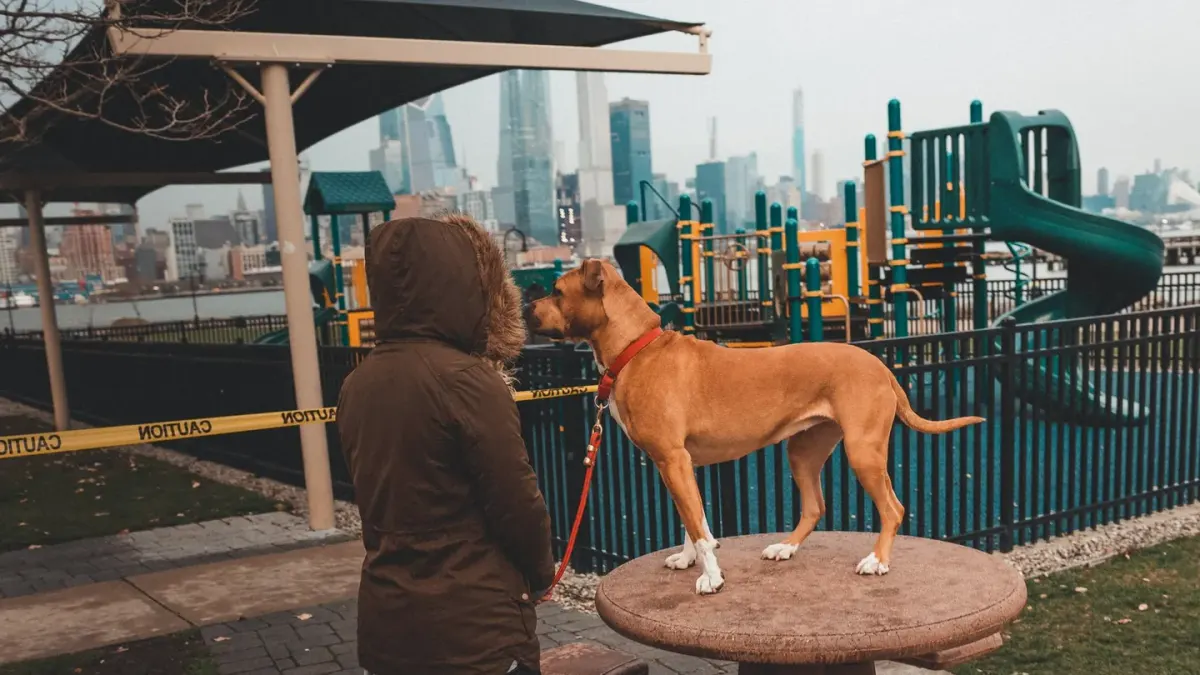
A ten-year-old cattle-dog mix who once trotted the full riverside loop now sits down at the second bench, tongue long, recovery slow. Her owner counted it for two weeks: what used to be a 2.4-mile morning walk had shrunk to about 0.9 miles before she planted her feet and asked to turn home. Her weight was steady at 41 pounds, her eyes bright, her bloodwork unremarkable the prior spring, yet the bounce-back after play had changed. That gap between willing spirit and slow recovery is where this conversation about antioxidant capacity usually starts, not in a lab report but on the sidewalk.
My read after years in integrative practice: support the system that makes antioxidants, not just swallow more of them.
- Watch recovery, not just energy: slower rebound after walks, stiffer mornings, duller coat.
- Feed for color and protein adequacy first: varied whole foods, enough quality protein, steady weight.
- Keep gentle movement daily: short sniff walks and Tui-na style bodywork beat weekend marathons.
- Ask about western labs plus Eastern pattern: Qi and Blood deficiency often tracks with mitochondrial fade.
- Add supplements only through your vet: food-based support first, targeted formulas second.
What fades first inside the aging cell
In Western terms, mitochondria make energy and leak reactive oxygen species as exhaust. In Chinese medicine, we would describe a similar slide as Qi losing its motive force while Phlegm and stagnation accumulate. Young dogs sweep up that exhaust with their own enzymes — superoxide dismutase, glutathione peroxidase, catalase — plus dietary helpers such as vitamin E, vitamin C, carotenoids, and polyphenols.
With age, enzyme activity and glutathione recycling tend to run less efficiently, while low-grade inflammation smolders in joints, gut, and brain. The NIH Office of Dietary Supplements explains how vitamin E functions as part of that dietary antioxidant network, which helps owners see why no single pill replaces the whole system.
That is why I braid all four pillars as one plan: acupuncture to support circulation and comfort, Chinese herbs selected by pattern when indicated, food therapy as the daily foundation, and Tui-na bodywork to keep tissues moving.
Antioxidant capacity does not fall off a cliff.
When more was not better
A family with a chunky eight-year-old beagle mix tried to fix his gray-muzzle slowdown on their own. After reading forums, they stacked three different senior chews plus a human antioxidant capsule for six weeks, hoping energy would snap back. Instead the dog developed soft stool most afternoons, skipped breakfast twice a week, and slept through 12 of 14 nights of his usual evening hallway patrol. They arrived worried they had missed heart disease, carrying a bag of half-chewed jars. We stopped everything extra, returned to his base diet, added plain warm-water soaks and short massage along the back and hind limbs, and rebuilt from food up. Appetite steadied within ten days, though his stamina still needed work.
Mega-dosing rarely restores reserve.
The pattern I weigh before I recommend anything
Western workup has to lead for safety: weight trend, muscle condition, thyroid and kidney labs, pain assessment, and medication review. Many drugs and liver or kidney disease change what is prudent. The National Animal Supplement Council offers a useful quality lens for owners shopping in a crowded aisle, because manufacturing standards and labeling clarity matter as much as ingredient fashion.
Only then do I set Eastern pattern beside that structure/function picture. A dog with pale tongue, thin pulse, cool ears, and fatigue after mild effort often fits a Qi and Blood deficiency picture, where food therapy plus gentle movement and acupuncture may help support normal vitality. A restless, panting night pacer with red tongue edges points elsewhere, where cooling foods and calming routine come first. Same gray muzzle, different counsel.
For context on that stamina slide, see Senior Dog Slowing Down? The Supplements That Actually Help, and Why and, if low cellular energy is part of the picture, Did Your Dog’s Energy Drop After Turning 8? What NAD+ Precursor Chews Can and Can’t Do.
When the usual plan has to bend
An owner of a 13-year-old terrier mix weighing just 18 pounds wanted to follow the standard senior playbook of longer walks and colorful toppers. Her dog had early kidney changes and a heart murmur, and after two slightly longer park outings she coughed for nearly a minute and needed most of the afternoon to settle. We bent the plan entirely: walks shrank to three five-minute sniff loops near home, protein and phosphorus targets were set by her veterinarian rather than by internet charts, and evening care shifted to quiet Tui-na pressure and warm bedding. Within three weeks she was again greeting the leash at the door, a small but telling shift her owner could trust.
Gentle consistency wins where pushing fails.
Promising cell-aging ideas remain hypotheses until dog data says otherwise.
Frequently asked questions
Does every senior dog need an antioxidant supplement?
No. Many do well with weight control, complete nutrition, dental care, pain management, and daily gentle movement. Add targeted products only with your veterinarian, especially if your dog takes medication or has liver, kidney, or bleeding risks.
What home signs suggest antioxidant reserve is slipping?
Slower recovery after play, stiffer mornings, duller coat, less stamina on familiar routes, and more restless nights. Track one measure, like walk distance before resting, and share the trend with your vet.
Sources
- Vitamin E Fact Sheet for Health Professionals — NIH Office of Dietary Supplements
- Quality Standards and Certification — National Animal Supplement Council