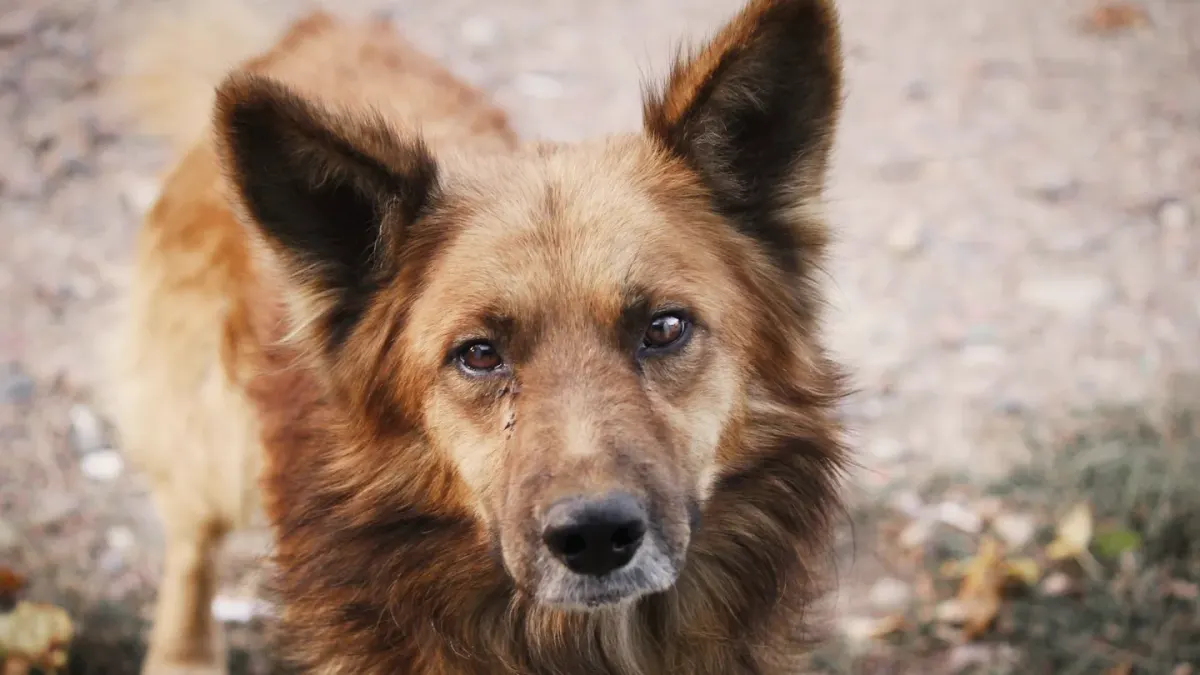
Maurice had started leaving a splash of milk in a cereal bowl for Marlo, his 12-year-old neutered Cavapoo in San Diego, because the little dog lit up for it in the morning. Within about two hours, Marlo would pass gas and ask to go out for a soft, urgent stool. Vets often see versions of this tradeoff in older dogs: the habit looks comforting, and the belly tells a different story.
My verdict is simple. Expect tolerance to go down, not up, with age, and skip milk for seniors. You are not missing a longevity nutrient, and you may help support steadier digestion by choosing water plus a balanced senior diet instead.
Why Older Guts Handle Milk Poorly
Puppies make plenty of lactase, the enzyme that breaks down milk sugar. After weaning, production falls in most dogs, which leaves more lactose intact to ferment in the colon. The American Kennel Club notes that many dogs show lactose intolerance with milk, from gas and loose stool to vomiting in sensitive individuals.
Aging adds friction. Gut motility slows, the microbiome shifts, kidney and dental disease change thirst and appetite, and senior dogs often eat lower-fat diets for weight or pancreas reasons. Whole milk brings lactose plus fat and calories without a nutrient an older dog cannot get elsewhere. That combination rarely helps maintain comfort.
Milk is not poison. It is a poor fit.
What I Tell You To Do Instead
Keep the ritual and change the ingredient. Offer fresh water, keep meals consistent, and save the small, joyful extras for treats built for dogs. If you want a creamy texture for pills, a teaspoon of plain water-packed pumpkin or a lick of plain low-fat yogurt made for dogs is usually better tolerated than a bowl of milk, and many seniors do best when new foods are introduced one at a time over three to four days.
Watch the 12-to-24-hour window after any dairy. Firm stool, normal gas, and normal appetite mean tolerance. Rumbling, flatulence, soft stool, or skipping breakfast mean the gut voted no.
VCA Hospitals reminds owners that extras and treats should stay a small share of daily intake, which matters more in seniors because their calorie needs fall while protein quality matters. That guidance lines up with preventive care: protect the baseline diet first.
If your senior loves lapping, you can borrow enrichment ideas from breed guides that emphasize routine and nose work over food volume, like Beagle Care: Exercise and Scent-Driven Behavior and Best Dog Breeds for Apartment Living. A short sniff walk often settles an older dog better than a saucer.
The Doubt You Should Raise
You might wonder whether a tiny amount could still be fine, especially if your dog loved milk for years. It can be, for some dogs, and I would not argue with a dog who drinks a tablespoon with no change in stool.
My boundary stays preventive. Seniors dehydrate faster, bounce back slower from diarrhea, and hide nausea well. Milk does not support hydration, joints, cognition, or cellular aging in any proven way, while even mild lactose intolerance can cost an older dog a rough night. When evidence is thin and downside is real, I choose the calmer path.
Talk with your veterinarian if loose stool lasts more than a day, if you see vomiting, blood, weight loss, or rising thirst, or if your dog takes medications that need steady stomachs. Bring the label of anything dairy-based you use, plus the amount and timing.
Frequently asked questions
Can senior dogs drink lactose-free milk?
Many tolerate a small amount better because much of the lactose is removed, but it still adds calories without a needed nutrient. Offer water first and keep any portion to a tablespoon or two, then watch stool for 24 hours.
What are signs of milk intolerance in an older dog?
Gas, gurgling, loose stool, urgency to go out, vomiting, or skipping the next meal. If signs last more than a day or include blood, vomiting, or lethargy, call your veterinarian.
Sources
- Can Dogs Drink Milk? — American Kennel Club
- Nutrition - General Feeding Guidelines for Dogs — VCA Hospitals