On this page
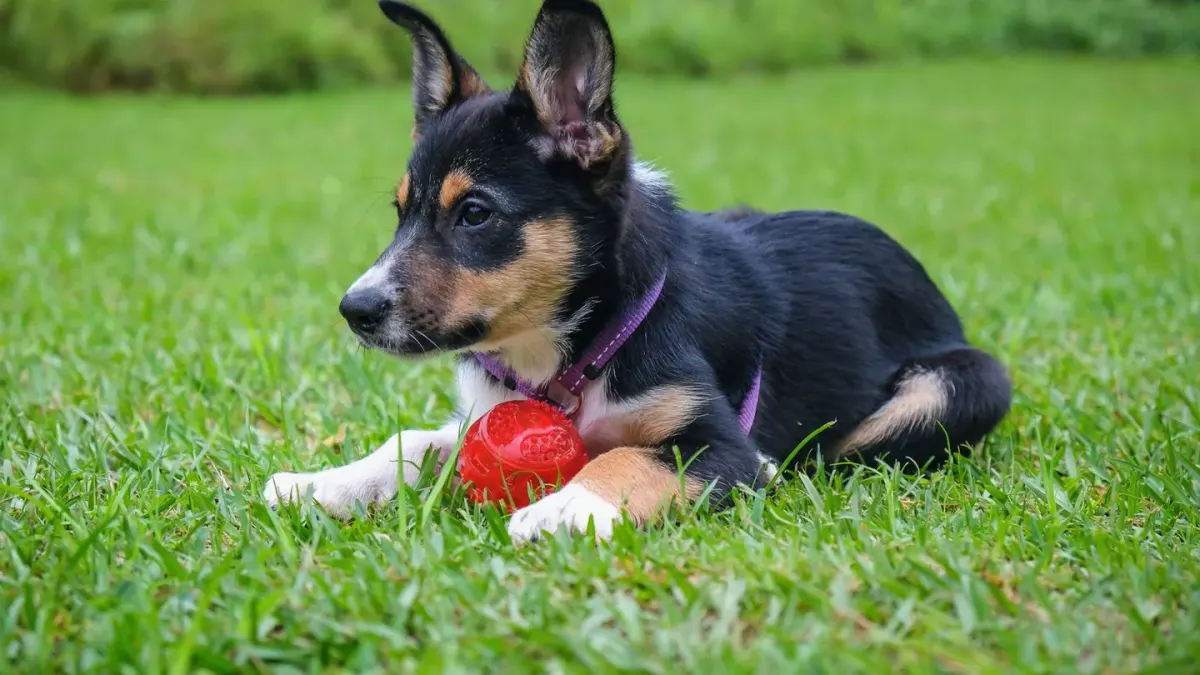
Dustin worries when Zora, his 4-month-old Springer Spaniel, barrels toward his older dog with a rope toy, because the senior wants quiet company more than wrestling. Vets often see this same mismatch in two-dog homes, where one needs calm and the other needs motion. My recommendation is simple to hold: protect the older dog’s comfort and choice first, and give the puppy a separate outlet for energy.
That means separate spaces, separate games, and short shared moments only when the senior invites them.
Why comfort sets the rules here
Aging changes stamina, joints, sleep needs, and tolerance for surprise. Guidance from the American Veterinary Medical Association reminds owners that senior dogs benefit from regular veterinary checks, comfortable rest, and routines adjusted for mobility and sensory change.
The puppy is not misbehaving by being young. The senior is not grumpy for needing distance.
Set up two stations before you start any game. Place the older dog’s bed, water, and licking mat in a low-traffic corner with a baby gate the puppy cannot cross. Give the puppy a play pen or separate room with chew toys and a snuffle box.
Comfort comes first, every time.
7 low-impact games for the older dog
Keep sessions to three to five minutes. Stop while the senior is still interested.
1. Sniff-and-find at nose height. Place three treats on a bath mat. Let the older dog sniff while lying down. Point, do not toss.
2. Lick mat rest break. Smear a thin layer of wet food or plain pumpkin on a mat. Set it on the bed while the puppy plays elsewhere.
3. Muffin-tin nose work. Put kibble in two or three cups, cover loosely with tennis balls. Keep the tin on a rug so it does not slide.
4. Touch and massage check-in. Stroke ears, shoulders, and hips with flat hands. Pause often. Let the dog lean in or move away.
5. Short scent trail. Drag a treat bag three feet across the floor to make a trail. Let the senior follow at a walk, then rest.
6. Cardboard choice box. Offer ideas from How to Make a Cardboard Box Foraging Game for Dogs but keep sides cut low so the older dog does not need to climb or jump.
7. Watch-the-puppy mat. Reward calm lying on a mat while the puppy trains nearby. Treat for settled breathing, soft eyes, and staying on the bed.
Give the puppy a job elsewhere
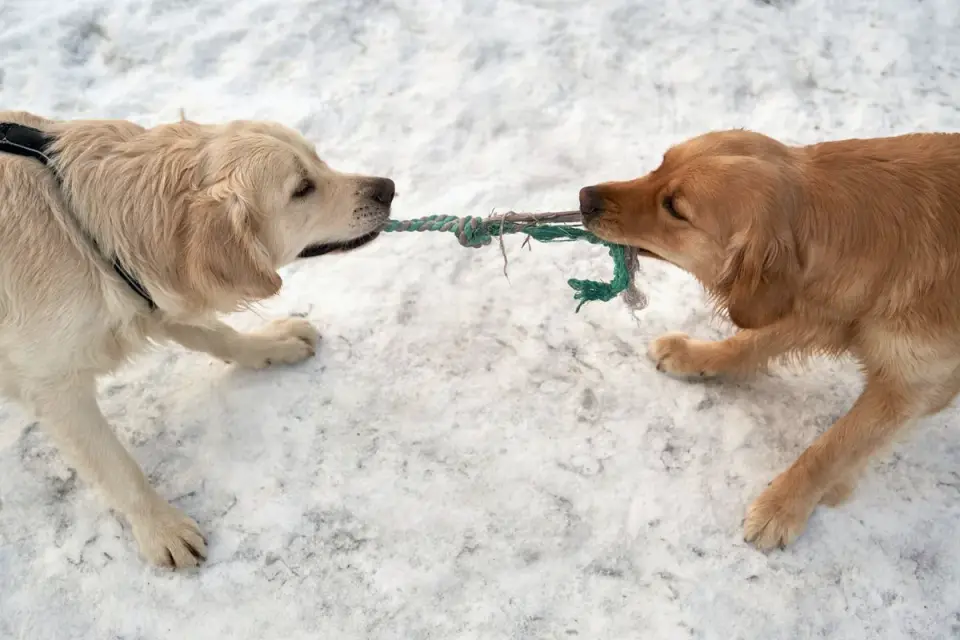
A tired puppy is kinder to a senior housemate. Use brief training, fetch down a hallway, and food puzzles in a separate area.
For ideas that spare growing joints, see How to Tire Out a Puppy Without Over-Walking Their Joints. For calm scent foundations both dogs can later share, see Scent Work for Dogs: A Beginner’s Guide.
Categories described by VCA Hospitals include social, nutritional, occupational, sensory, and physical enrichment, which helps explain why each dog needs a different mix on the same day. The senior may prefer sensory and nutritional enrichment. The puppy may need more occupational and physical play.
When together time helps, and when it does not
Shared time works best after the puppy has played. Bring both dogs into the same room for five minutes. Give each a separate mat eight to ten feet apart. Feed treats for settling, then separate again before excitement builds.
Skip shared games when the older dog walks away, lip-licks repeatedly, stiffens, growls, or chooses another room. Those are requests for space, not disobedience.
This comfort-first plan would be the wrong call if the older dog guards food, snaps when startled, or has new pain, appetite loss, or house-soiling. In that case, pause group enrichment and ask your veterinarian about pain, vision, hearing, and cognitive change. Then rebuild with solo activities only, like the weekly rhythm in A Simple Weekly Enrichment Plan for Dogs, Built Around the Aging Brain.
Quality of life grows in small, repeatable moments.
Frequently asked questions
How long should enrichment last for an older dog with a puppy in the house?
Keep senior sessions to three to five minutes, one to three times daily, with rest in a quiet gated area while the puppy plays separately.
Should the two dogs share puzzle toys?
Offer separate puzzles in separate spaces at first. Share a room only for brief calm mat work after the puppy has burned off energy, with mats well apart.
Sources
- Senior Pets — American Veterinary Medical Association