
On this page
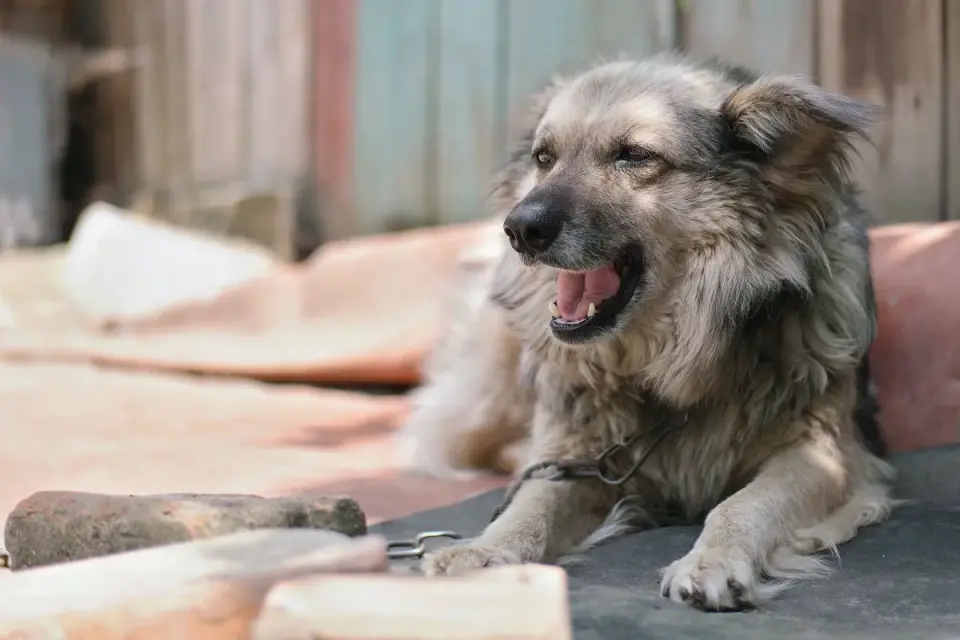
A nine-year-old Australian Shepherd, 52 pounds, still begs for the morning trail loop behind our clinic field. Her owner reports she now sits after 0.6 miles, hind legs trembling, where she once pulled for two full miles without pause. On my musculoskeletal exam her lumbar paraspinals feel ropey, her gluteals have lost roundness, her stifles track a touch wide on turns. That whole-body picture of mobility and comfort tells me more than any single joint. Her cells are running the same hike on less fuel, and much of that fuel story runs through NAD+ recycling.
In short: dogs make most of their NAD+ not from food from scratch, but by salvaging used nicotinamide back into fresh NAD+ through a two-step loop. That loop slows with age, and muscles, brain, and immune tissues feel the pinch first.
NAD+ is a commuter, not a building
Think of NAD+ as a shuttle bus for electrons. Mitochondria load it up to make ATP, then enzymes called sirtuins, PARPs, and CD38 spend it to maintain DNA, calm inflammatory signaling, and tune metabolism. Every spend leaves behind nicotinamide, often shortened to NAM.
Dogs have three ways to replace NAD+: make it from tryptophan from scratch, import acids through the Preiss-Handler route, or recycle NAM through salvage. In mammals, salvage does the heavy lifting for daily maintenance, as summarized in NAD+ metabolism and its roles in cellular processes during ageing. The basics of NAD chemistry are also laid out in StatPearls: Biochemistry, Nicotinamide Adenine Dinucleotide (NAD). That reliance matters because the salvage loop has one narrow gate.
The two-step salvage loop: NAMPT then NMNAT
Step one happens outside or inside the cell: the enzyme NAMPT converts salvaged NAM into nicotinamide mononucleotide, or NMN. Step two: enzymes called NMNATs convert NMN into fresh NAD+. Precursors such as nicotinamide riboside can enter near the middle of this loop, which helps explain research interest in them for supporting normal cellular function.
Where aging complicates the picture is at that first gate. NAMPT activity and NAD+ levels fall in muscle and other tissues with age, while NAD+-consuming enzymes such as CD38 become more active. The net result was reviewed in detail in NAD+ homeostasis in health and disease. Less recycling, more spending, lower steady-state NAD+.
For an aging dog, that shortfall shows up as reduced mitochondrial output. Gait loses spring. Post-exercise soreness lingers. Recovery after a chiropractic adjustment takes three nights instead of one. Supplements sit inside that structure-and-function plan as one part, alongside weight control, strength work, sleep, and dental health — never as a fix by itself.
A seven-year-old brindle Boxer mix, 61 pounds, came in after his owner tried a month of extra weekend fetch to rebuild stamina. The log showed 14 fetch sessions in 30 days, each followed by a stiff next morning and a skipped walk. Palpation found tight hamstrings, a tender thoracolumbar junction, and forefeet that scuffed on tight turns. The failed approach was more output without more recovery capacity. We cut fetch to twice weekly, added hill sniff walks and core cookies, and his morning rise time shortened from 90 seconds of groaning to under 20 seconds within two weeks.
Why muscle tells the story first
Skeletal muscle holds a large share of mitochondrial volume and turns over ATP rapidly. When salvage slows, muscle mitochondria produce less ATP per unit of effort and generate more oxidative byproducts. Sirtuins, which depend on NAD+ to support mitochondrial maintenance, run quieter.
That mechanism links three signs owners often report together: earlier fatigue on walks, loss of hind-end muscling, and slower bounce-back after activity. My exam habit is to map those three before discussing nutrition. I check symmetry of thigh circumference by hand, watch the sit-to-stand without assistance, then feel spinal motion segment by segment. When the pattern points to deconditioning plus age-related cellular wear, supporting NAD+ recycling makes physiologic sense as one part of a broader mobility plan.
Related reading on energy and aging helps put this in context: Did Your Dog’s Energy Drop After Turning 8? What NAD+ Precursor Chews Can and Can’t Do and Senior Dog Slowing Down? The Supplements That Actually Help, and Why.
What would change my mind
I lean toward supporting salvage efficiency in senior dogs through precursors, exercise, and metabolic health. Still, direct canine data on NAMPT activity across ages remain thin. Most mechanism detail comes from mice and humans. What would shift my position is age-stratified canine muscle biopsy or blood NAD+ metabolomics showing salvage is preserved in dogs, or controlled trials showing precursors do not change functional measures such as walk distance or rise time.
Until then, the current evidence does not support disease or age-reversal promises. It supports a measured view: help maintain the recycling system the dog already uses, protect muscle through movement, and monitor function you can see. For owners weighing brain and body together, Ginkgo Biloba for Dog Brain Health: What the Evidence Actually Supports offers a candid look at another early-evidence option.
A 13-year-old Dachshund, 11 years with the same owner since adoption at age 2, breaks the usual script. His kidneys need low phosphorus, his spine needs ramp-only rules, and his appetite fades by evening. Here the standard advice to push protein and long walks has to bend. We shortened outings to four 5-minute sniff strolls daily, fed smaller morning-weighted meals, and focused handling on spinal comfort over hind-end strengthening. His night restlessness dropped from four wake-ups to one, which mattered more than any step count.
For a wider longevity frame, see The Best Longevity Supplement for Senior Dogs: An Evidence-Led 2026 Review.
Frequently asked questions
Does the NAD+ salvage pathway work the same in dogs and people?
The core two-step loop through NAMPT and NMNAT is conserved across mammals, though the rate of age-related decline and tissue patterns in dogs are less studied than in mice and people.
Can food alone keep NAD+ recycling high in a senior dog?
Balanced nutrition provides tryptophan and B3 vitamers that feed NAD+ synthesis, but salvage efficiency still tends to fall with age as NAMPT activity drops and consumption by CD38 rises. Diet helps maintain the pool, it does not fully restore youthful recycling.
What functional signs suggest NAD+ support might fit a mobility plan?
Earlier fatigue on familiar walks, loss of hind-end muscling, and slower recovery after activity — especially when the musculoskeletal exam shows generalized deconditioning rather than a single painful joint.
Sources
- NAD+ metabolism and its roles in cellular processes during ageing — NAD+ metabolism and its roles in cellular processes during ageing
- Biochemistry, Nicotinamide Adenine Dinucleotide (NAD) — StatPearls