
On this page
Dorothy first noticed it in the hallway. Massimo, her 7-year-old neutered male Chihuahua in Chicago, Illinois, who once napped alone in a sun spot, now trailed her from kitchen to bathroom and whined if a door closed for more than two minutes. Nothing dramatic had changed, just a quieter, closer dog.
That shift is common, and my expectation-first counsel is this: assume clinginess in an aging dog is communication until proven otherwise. Most older dogs stay close because vision, hearing, joint comfort, and cognitive confidence are changing, not because they have become disobedient.
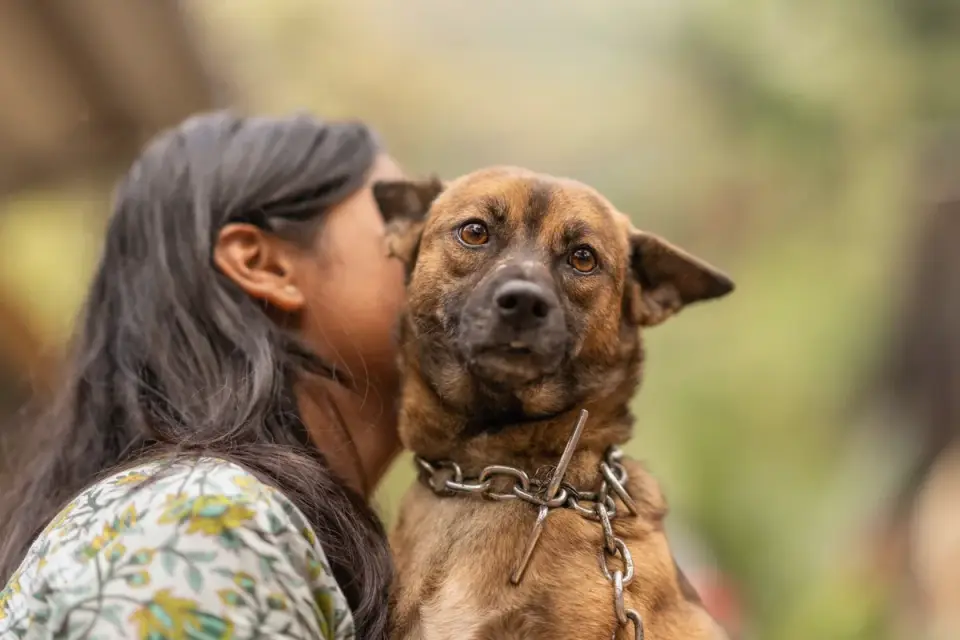
Why does comfort-seeking rise as dogs get older?
Aging changes how safe the world feels. When eyesight dims or hearing dulls, your presence becomes the clearest landmark in the room. When stairs ache or floors feel slippery, staying near you is a practical strategy.
Pain deserves early attention. Arthritis, dental disease, and gastrointestinal discomfort can all make a dog restless, needy at night, or reluctant to settle alone. The American Veterinary Medical Association notes that senior pets benefit from more frequent veterinary checkups precisely because these changes creep in gradually and behavior is often the first clue.
Cognition matters too. Canine cognitive dysfunction syndrome can reduce coping skills, disrupt sleep, and increase anxiety, vocalization, and following. VCA Hospitals describes disorientation, altered interactions, sleep-wake changes, and house-soiling as hallmark signs, and clinginess often travels with them.
Is this separation anxiety, or something age-related?
Both can look like shadowing, whining, pacing, or panic when you leave. Age-related clinginess tends to build slowly and show up even when you are home, with more nighttime restlessness, staring, getting stuck behind furniture, or needing help with routines the dog once managed.
True separation distress is more event-linked. Watch what happens in the first 20 to 30 minutes after departure with a camera: vocalization, drooling, door-directed destruction, or inability to settle point more toward alone-time panic. Many senior dogs have both, because weaker senses and stiffer joints lower their buffer for any stress.
Vets often see owners blame themselves for spoiling. In practice, comfort does not create this pattern.
What should you track for two weeks before the visit?
A short log may help support a clearer diagnosis than memory alone. Note baseline behavior, appetite, water intake, sleep, stairs, slips, hearing response, and any new following, staring, or nighttime waking.
Keep handling low-stress. Keep lighting consistent at night, add runners over slick floors, use ramps where jumping has stopped, and keep departures and arrivals boring and brief. For dogs that startle easily, approach within their line of sight and pair handling with calm praise.
It helps to compare with known social signals. If you are also seeing new tension around touch, this guide to Why Does My Dog Growl When I Pet Him? Causes and What To Do can help you read warnings early. If arousal spills into multi-dog moments, Play Bow or Aggression? Reading Dog-to-Dog Signals and Reactive Dog or Aggressive Dog? How to Tell the Difference (And Why It Matters) explain when proximity means play and when it means give space.
When does clinginess need a prompt vet call?
Call sooner for sudden change, nighttime pacing with panting, new incontinence, loss of appetite, limping, yelping when touched, confusion, or clinginess paired with lethargy or vomiting. Those combinations point toward pain, neurologic change, or systemic illness rather than habit.
My preventive line is simple: a new shadow deserves a senior exam, not just reassurance.
Bring your two-week notes, a current medication and supplement list, and a 60-second video of the behavior at home. Ask whether joint evaluation, vision and hearing checks, bloodwork, blood pressure, and cognitive screening fit your dog’s age and breed risk. If anxiety or cognitive change is suspected, ask what behavioral plan, enrichment routine, and follow-up interval make sense before discussing any calming product.
For steady days between visits, a predictable rhythm helps more than constant novelty. This A Simple Weekly Enrichment Plan for Dogs, Built Around the Aging Brain is a useful template for short scent games, gentle movement, and rest.
Clinginess is not regression. It is often a senior dog asking for a steadier map.
Frequently asked questions
Why does my older dog follow me everywhere now?
Most seniors follow more because senses, mobility, and confidence have shifted and you feel safest. Track when it happens and book a senior exam if the change is new or growing.
Can cognitive decline make a dog clingy at night?
Yes. Restlessness, vocalization, and neediness overnight can accompany canine cognitive dysfunction syndrome, especially with daytime disorientation or house-soiling. A vet exam helps sort pain, medical causes, and cognition.
Should I ignore clinginess so I do not reward it?
Do not ignore distress. Stay calm, keep routines predictable, support footing and sleep, and let your veterinary team evaluate pain and cognition before starting alone-time training.
Sources
- Senior Pets — American Veterinary Medical Association