
The worry usually arrives before the diagnosis does. Owners tell me their older dog seems distant on walks, sleeps through the doorbell, startles when touched from behind, and they wonder if cognition is slipping or if joy is narrowing. In most of these dogs hearing has faded quietly, and what they need is not louder life, but a life translated into sight, scent, and touch.
My position is simple: prioritize visual clarity and predictable touch over vibration gadgets and complex hand-signal vocabularies. The strongest counterargument is that deaf dogs need more stimulation to compensate for lost sound, and that more novelty is better. I still land on less, done well, because an aging brain maintains connection better through repetition and success than through constant newness.
A comfort-first checklist for deaf-dog play
- Use line-of-sight first: start every game facing the dog, within 6 to 10 feet, with a clear visual start cue
- Trade sound for scent: let the nose lead foraging, trailing, and choice games
- Keep signals few and large: 3 to 5 broad hand or body cues, always paired with reward
- Protect startle: approach in view, use a gentle floor tap or light flash before touch
- Grade for joints and vision: non-slip surfaces, low reaches, good lighting, short sessions
- End on a win: 5 to 10 minutes, finishing with an easy success and rest
She was a 13-year-old, 48-pound mixed-breed dog, referred for what the family feared was dementia. She no longer came when called, paced at night, and had stopped playing with the grandkids. On exam she was bright, her eyes tracked well, her nose worked eagerly, but she did not orient to a hand clap behind her head. We mapped three weeks of small changes at home. By day 10 the marker that shifted was not memory but relief: she began walking to her mat when she saw an open palm, because someone had finally given her a signal she could actually perceive. That palm cue became our doorway into play.
What hearing loss changes in the aging brain
Sound orients, warns, and connects. Without it, dogs miss location cues and social feedback, which can look like confusion or withdrawal. The olfactory and visual systems remain powerful pathways for learning and may help support engagement and quality of life when they are used deliberately.
This is why I teach scent and sight games before obedience. Guidance from the American Kennel Club emphasizes visual markers, hand signals, and positive reinforcement for deaf dogs, and clinical overviews such as VCA Hospitals describe how age-related deafness develops and why predictable, non-startling communication matters. We are not reversing sensory loss. We are maintaining participation.
Predictability is protective.
Build the core vocabulary before you add games
Pick three signals and keep them large and distinct: a start signal such as both hands opening, a “yes” marker such as a thumbs-up paired with a treat, and a settle cue such as an open palm toward a mat. Teach in daylight, close in, with high-value licks or soft chews that do not require chasing crumbs.
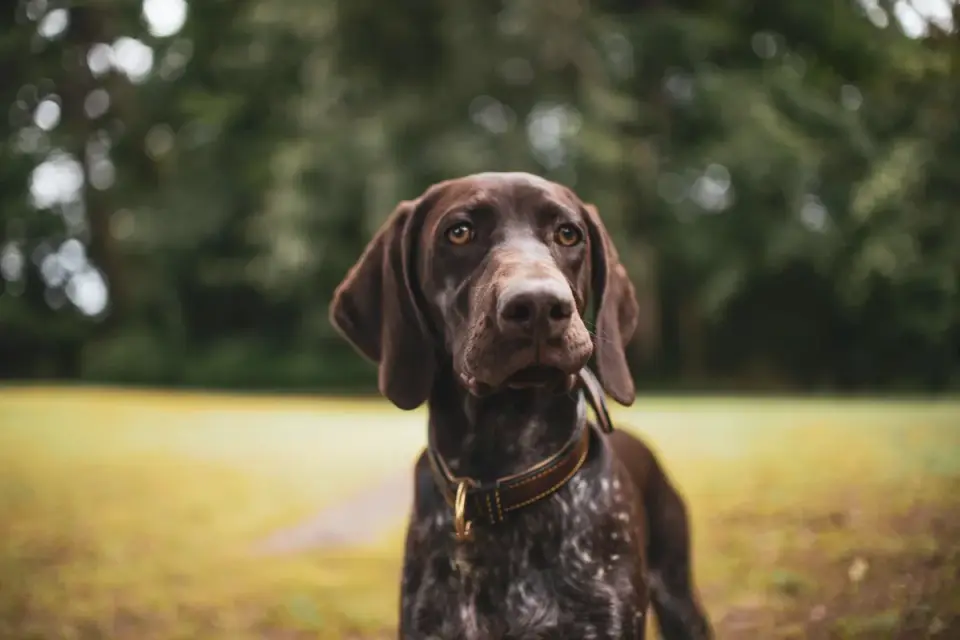
Once the dog offers eye contact to begin, you have a humane on-switch for every game below. If you want a foundation for nose-led play, this beginner introduction to scent work for dogs translates especially well because it needs no sound at all.
He was an 11-year-old, 22-pound terrier mix who loved food puzzles, and his family bought a vibrating collar, a flashing ball, and five new puzzles in one week in hopes of waking up his interest. By day 5 he was refusing the room where they played, yawning, lip-licking, and walking away after thirty seconds. The tradeoff was clear: too many novel signals at once raised arousal without raising understanding. We stripped it back to one snuffle mat and one hand signal for three weeks in the kitchen only. His time engaged rose from under a minute to a steady seven minutes, not because the tools were fancier, but because the context became readable.
Four brain games that translate well without sound
1. Stationed foraging. Place three low boxes or a muffin tin with treats under tennis balls, all in sight. Point broadly, then let the dog search. For a step-by-step build, how to make a cardboard box foraging game for dogs works well if you keep sides low and lighting bright.
2. Scent trails and choice. Drag a treat bag three feet to make a short trail, or offer two closed fists and reward the correct nose touch with your visual “yes.” Nose games tire the brain without loading joints.
3. Visual copy and target. Teach a nose touch to your palm, then to a sticky note on a chair leg. Move it six inches at a time. It becomes hide-and-seek for the eyes and nose together.
4. Gentle problem solving. A rolled towel with kibble inside, a lick mat, or a low snuffle mat rewards persistence. For dogs with sore mouths or missing teeth, adapt textures using ideas from puzzle feeders for dogs with missing teeth.
Keep sessions to five to ten minutes, once or twice daily, on rugs or yoga mats. Good light matters as much as good treats.
She was a 9-year-old, 61-pound double-merle herding mix, deaf since birth and now losing peripheral vision, whose owners worried that hand signals would soon fail too. The unexpected consideration was that touch and scent needed to become primary before vision faded further. We taught a shoulder tap as a check-in cue and a two-finger stroke along the flank as an all-done cue, paired with trailing games that ended at a textured mat she could feel underfoot. By week four she was following a 12-foot indoor scent line to that mat independently, which changed our plan from adding more signs to preserving two tactile anchors she could keep even in dim light.
What I would do this week
Choose one game, one room, and one time of day. Practice your three signals for two minutes before meals. Log engagement, not perfection: seconds before walk-away, softness of body, willingness to re-engage tomorrow. If startle, squinting, slipping, or fatigue appear, shorten the game and add comfort first.
For senior dogs who need variety without overexertion, a slow rotation like a simple weekly enrichment plan can help you alternate foraging, scent, and rest days while you watch what your own dog prefers.
A quiet dog is not necessarily a disconnected dog. When sight, scent, and touch become predictable, many deaf dogs rejoin family life with visible relief.
For related context, read A Simple Weekly Enrichment Plan for Dogs, Built Around the Aging Brain.
Frequently asked questions
How do you get a deaf dog's attention to start a game?
Step into sight, use a large visual cue like a wave or light flash, then reward eye contact. Avoid approaching from behind or relying on vibration alone.
How long should brain games last for an older deaf dog?
Five to ten minutes once or twice daily is enough for most seniors. End with an easy win and rest, and shorten sessions if you see fatigue, squinting, or disengagement.
Are scent games better than puzzle toys for deaf dogs?
Scent games often work better at first because they need no visual timing and load joints lightly. Simple foraging can then be layered with one visual cue at a time.
Sources
- How to Train a Deaf Dog — American Kennel Club