On this page
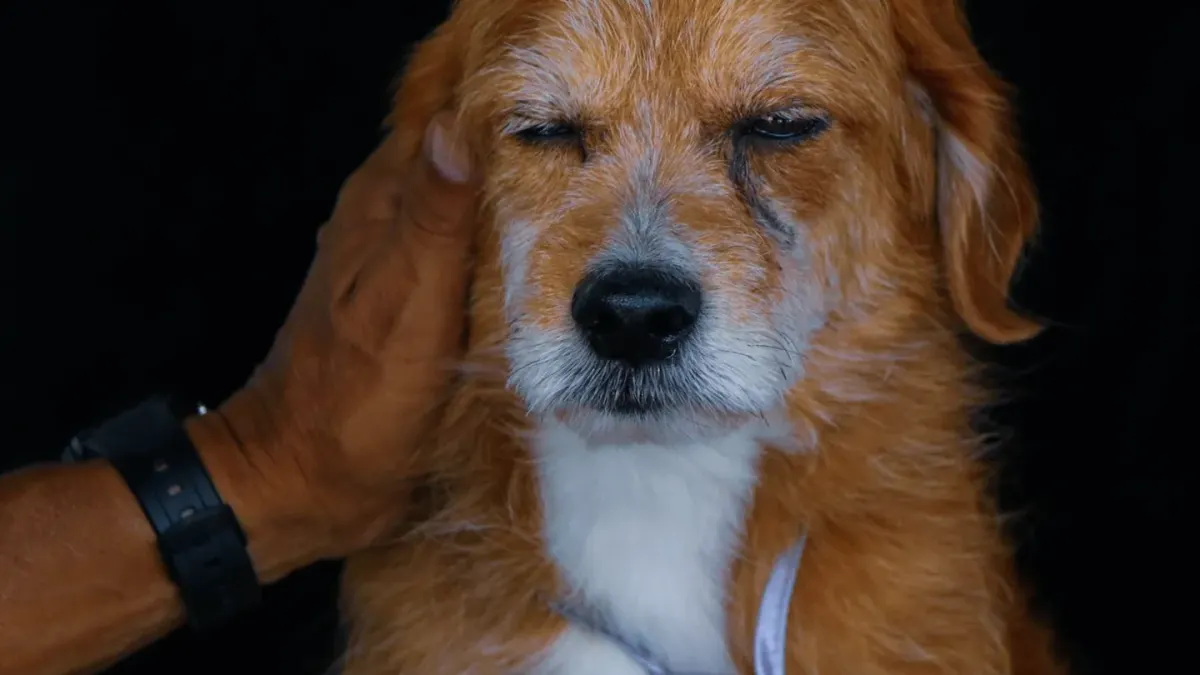
Picture a nine-year-old German shepherd-type, about 82 pounds, who still lights up when you grab the leash. Last fall you could do the full 0.6-mile neighborhood loop without stopping; this spring you’re pausing twice at the same oak to let him shift weight off his hips and catch his breath. You’re wondering whether a tryptophan-rich topper or broth could refill his cellular batteries. That’s the exact decision this pathway explains — whether food tryptophan can realistically become usable energy in muscle and brain, or whether you’re better off protecting the systems that already make NAD+ efficiently.
Why does an aging dog run low on fuel to begin with?
NAD+ is a coenzyme every cell uses to turn food into usable energy and to keep repair systems running. When researchers describe aging, they often point to falling NAD+ levels and fussier mitochondria as part of why muscle tires faster, hind ends feel wobbly, and recovery takes longer.
That decline is well summarized in work published by the American Association for the Advancement of Science, which ties NAD+ to aging, metabolism, and neurodegeneration. In plain owner language: less reliable cellular charge, less resilience under normal wear.
For a dog who already compensates through the back, hips, and forelimbs, that matters. Chiropractic shows me where motion has gone guarded, acupuncture shows me where the system feels depleted, and both point back to whole-patient balance rather than one tired muscle.
If your gray-muzzled friend seems dimmer on the same walk, you may find context in Did Your Dog’s Energy Drop After Turning 8? What NAD+ Precursor Chews Can and Can’t Do and Senior Dog Slowing Down? The Supplements That Actually Help, and Why.
That backup matters — but it was never meant to carry the load.
So where does tryptophan fit in?
Tryptophan is an essential amino acid. Your dog can’t make it, so it has to arrive in protein, then the body rations it among competing jobs: building tissue, making serotonin and melatonin signaling molecules, and — through the kynurenine route — making a small amount of NAD+ from scratch.
The NIH Office of Dietary Supplements explains that tryptophan can contribute to niacin and NAD+ status in mammals, but inefficiently compared with direct niacin or the daily salvage pathway that recycles NAD+ inside cells. Think proven contributor, weak lever.
This is where I braid the musculoskeletal picture with whole-patient balance. A stiff lumbar spine and weak hind-limb push don’t just reflect joints; they reflect how well gut, diet, sleep, and daily movement support energy supply together.
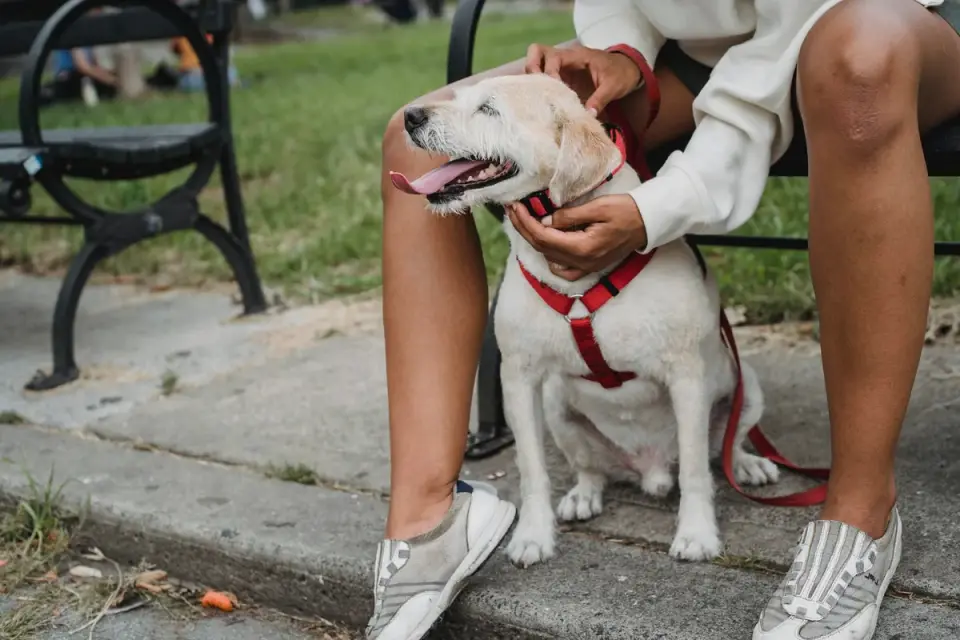
What happens between dinner and usable NAD+?
You feed protein, digestion frees tryptophan, and most of it goes straight to protein upkeep and signaling. Only a side stream enters the de novo trail: tryptophan to kynurenine, through several kynurenine intermediates, to quinolinic acid, then to NAD+.
Along the way inflammation, stress, and immune signaling can siphon intermediates elsewhere. The liver does most of this conversion work, muscle and brain mostly depend on what circulates or what they can salvage locally. Dogs, like people, rely far more on salvage — reusing nicotinamide from normal turnover — than on building every NAD+ molecule from tryptophan.
You try the obvious shortcut first. For 12 straight evenings you stir extra turkey and pumpkin into dinner, hoping more dietary tryptophan means more bounce on the stairs. Instead the opposite happens — softer stools by day four, more nighttime restlessness, and that same lag three-quarters up the staircase where his rear feet scuff. In my hands-on work that pattern is familiar: chiropractic finds stiff thoracolumbar segments, acupuncture palpation finds tired hind-limb channels, and the gut tells me we pushed protein balance without helping whole-patient balance. You didn’t fail; you learned this route leaks energy instead of storing it.
Why won’t extra tryptophan just top off the tank?
Because the pathway is gated, not open. Enzymes at the top respond to immune signals and stress hormones, not to how much turkey you added. Much of the field agrees this is hypothesis territory in dogs specifically, promising in mechanism but thin on direct dosing trials, and candidly: feeding more precursor doesn’t force more finished NAD+.
There are tradeoffs, too. Push single amino acids out of proportion and you can unbalance appetite, stool quality, and the serotonin-melatonin rhythm that governs sleep. An older dog who sleeps poorly moves poorly the next day, and no cellular pathway outruns that loop. If rear scuffing is your main worry, walk through Dog Hind Leg Weakness: What Knuckling, Not Limping, Is Trying to Tell You before you change the bowl.
Then I think about the opposite case, a small 13-year-old terrier mix with early kidney values whose vet has her on a carefully restricted-protein plan since January 14. Standard longevity talk says protect muscle with more protein, but here that advice has to bend or you strain kidneys to chase NAD+. What the owner does differently is precise: she keeps the prescribed diet exactly, tracks hallway pacing and stair hesitations in a notebook, and asks for a March 18 recheck to review weight, mobility and labs together. Chiropractic and acupuncture may help support comfort and hind-end awareness while nutrition stays kidney-safe.
What would I actually prioritize for legs and lifespan?
I prioritize the unglamorous core: a complete, age-appropriate diet with adequate quality protein, lean body condition, daily adjusted movement, and a vet workup when slowing is new. Botanicals and bodywork may help support comfort and mobility as part of that plan, never as cures, and chiropractic plus acupuncture work best when nutrition and exercise are already steady.
The skeptical friend asks: isn’t this just a fancy excuse to sell NAD+ boosters? Fair question. My answer is no — understanding this pathway argues against chasing tryptophan megadoses. It tells you to protect salvage by reducing the drains you can control, and to let food do what food does best: nourish the whole dog.
Looking forward, watch the dog in front of you more than the diagram. Steady gait, easy rising, restful nights — those tell you whole-patient balance is holding.
Frequently asked questions
Can dogs make NAD+ from tryptophan in food?
Yes, through the kynurenine pathway, but only a small side stream of dietary tryptophan becomes NAD+. Most supports protein upkeep and signaling, and daily NAD+ depends far more on recycling.
Will feeding more turkey or tryptophan boost my senior dog's energy?
Not reliably. The pathway is tightly regulated and diverted by inflammation and stress, and unbalanced extras can upset digestion or sleep without raising usable NAD+.
Sources
- NAD+ in aging, metabolism, and neurodegeneration — American Association for the Advancement of Science
- Niacin – Health Professional Fact Sheet — NIH Office of Dietary Supplements